


Key Takeaways
- Best Time to Visit: Dry season (November–May) offers safer and more scenic hikes.
- Tour Requirement: All visitors must book an official tour with a 4×4 ride and local guide.
- Hike Duration: Expect a 1.5–2 hour trek after the 4×4 ride, depending on trail conditions.
- Costs: Tours usually range from ₱2,500–₱3,500 per person, inclusive of fees and transport.
- Essential Gear: Bring water, snacks, sunscreen, hat, and a light jacket for changing weather.
- Health Reminder: Hike is moderate—suitable for most, but check fitness levels before going.
- Fun Fact: Mt. Pinatubo’s 1991 eruption was one of the largest of the 20th century, cooling global temperatures for years.
- Local Tip: Take time at the crater lake—it’s breathtaking, but swimming is prohibited.
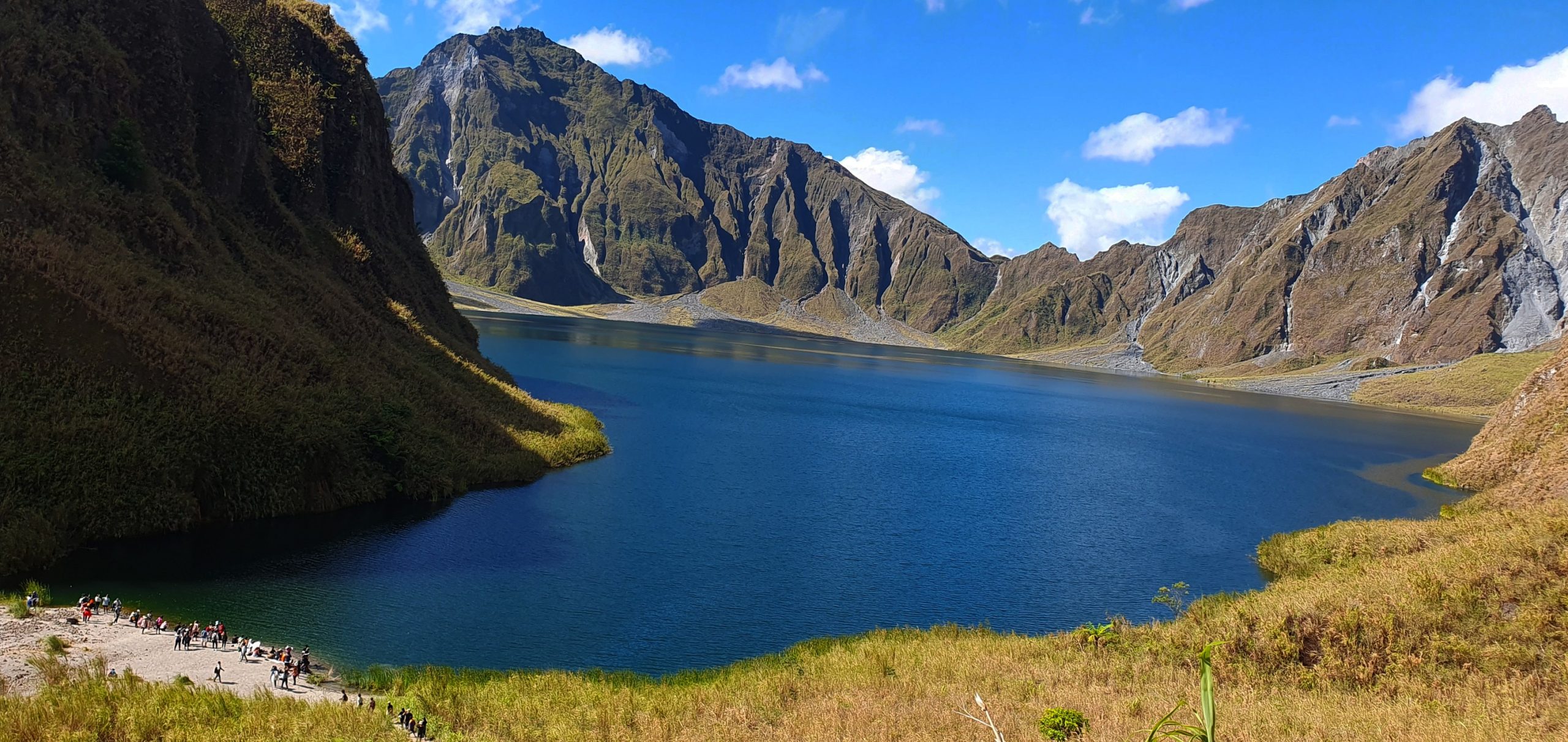
Few places in the Philippines tell a story as intense as Mt. Pinatubo. Once feared for its fiery eruption in 1991, the volcano is now celebrated for its surreal beauty. The turquoise crater lake framed by towering cliffs feels almost otherworldly. It’s a place that reminds you how destruction can give birth to wonder.
This guide is written for anyone planning to hike Mt. Pinatubo in 2025. You’ll find practical tips, local insights, and a no-nonsense breakdown of what to expect. Think of this as advice from a fellow traveler who has walked through ash trails, sat in the back of a rumbling 4×4 jeep, and finally stood in awe before the calm waters of the crater.
Why Hike Mt. Pinatubo?
Let’s get straight to it. You’re not climbing Mt. Pinatubo just to break a sweat. You’re going because it’s a mix of history, raw landscapes, and one-of-a-kind scenery.
Fact 1: The 1991 eruption of Mt. Pinatubo was the second-largest volcanic eruption of the 20th century, blasting 10 billion tons of magma and ash into the atmosphere. The ash cloud circled the globe and even lowered Earth’s temperature by about 0.5°C for two years.
Fact 2: The crater lake you’ll see today is about 2.5 kilometers wide and nearly 800 meters deep, making it one of the deepest in the country.
What makes this hike special is the contrast. The trail takes you through barren lahar canyons, landscapes that look like scenes from a sci-fi movie, before leading you to the calm, reflective waters of the crater. It’s a journey that feels harsh and peaceful all at once.
Best Time to Visit Mt. Pinatubo
Timing matters. The dry season – from November to May is your safest bet. Rain turns the trail into a muddy mess, and swollen rivers can make crossing dangerous.
If you want cooler weather and clearer skies, aim for December to February. The air is crisp, and the hike feels less punishing.
One more tip: avoid weekends if you can. The crater gets busy with large groups, and nothing kills the magic of the moment like twenty people fighting for the same selfie spot. A weekday hike will give you more breathing room.
How to Get to Mt. Pinatubo
Most tours begin in Capas, Tarlac. From Manila, it’s about a 2.5-hour drive if you leave early.
Here’s how it usually goes:
Drive or ride to Capas. Many joiners and tour companies can arrange transport if you don’t have a car.
Transfer to a 4×4 jeep. This is where the adventure really starts. For an hour, you’ll ride across lahar plains that look like the set of Mad Max. It’s dusty, bumpy, and ridiculously fun.
Trek to the crater. The hike itself takes around two hours, depending on your pace. The path is mostly flat with a few uphill climbs.
Bring water, wear proper shoes, and prepare to get dirty. Dust is part of the Mt. Pinatubo package, like sweat is part of karaoke nights.
Cost of a Mt. Pinatubo Trip
Prices can vary depending on whether you join a group tour or go private.
Group Tours: Usually around ₱2,500 to ₱3,500 per person. This covers transport, permits, a guide, and lunch.
Private Tours: Expect to pay more, but you get flexibility in schedule and pacing.
There’s also an environmental fee, which is included in most packages. Always double-check what’s covered so you don’t get surprised by hidden charges.
What to Pack for the Trip
Don’t overthink it. Bring what you need, but don’t overload yourself. Here’s a quick checklist:
Comfortable shoes – No flip-flops. Go for sturdy sneakers or light hiking shoes.
Water – At least a liter per person. You’ll sweat more than you expect.
Snacks – Energy bars or trail mix help when your legs start complaining.
Hat and sunscreen – The trail offers little shade.
Mask or scarf – Dust storms from the 4×4 ride are real.
Camera or phone – You’ll want to capture the crater view.
Optional but nice: a lightweight rain jacket (weather can be unpredictable), and extra socks if you dislike wet feet.
The Hiking Experience
The journey to the crater isn’t just about the destination. The path itself is full of stories. You’ll pass through dried riverbeds carved by lahar, cross shallow streams, and see cliffs that tower above you.
The hike is not extreme, but it does demand patience. Some stretches are rocky, others sandy. The sun will make you question your life choices. But then, you’ll reach the rim of the crater, and every step suddenly feels worth it.
When you finally see the crater lake, expect silence. Even noisy groups often go quiet for a moment. The water is a shade of turquoise that photos can never fully capture.
Food and Rest Stops
Don’t expect fancy cafes on the trail. What you’ll get are packed lunches, water stations, and sometimes small stalls selling drinks. Most tours include a simple meal. Think rice, adobo, or fried chicken. It won’t win culinary awards, but after the trek, it will taste like a feast.
If you want something specific, bring it yourself. Just remember to carry your trash back. The goal is to keep Pinatubo clean for the next traveler.
Safety Tips
A few reminders before you lace up your shoes:
Follow your guide. They know the trail, and they know when it’s unsafe to push through.
Check the weather. Tours are canceled if heavy rain is forecast. Better to reschedule than risk swollen rivers.
Bring enough water. Dehydration hits faster than you think.
Wear proper footwear. Your feet will thank you later.
Respect local communities. Many Aeta families live in the surrounding areas. Be courteous and mindful.
The People of Pinatubo
Speaking of locals, part of the trek often includes meeting members of the Aeta community, one of the indigenous groups living near the volcano. Some serve as guides or assist in maintaining the trails. Their resilience is inspiring. Imagine surviving the 1991 eruption, being displaced, and then rebuilding life around the same mountain. Their stories add a layer of humanity to the hike that no photo can capture.
Overnight Stay: Do You Need It?
Most people do Pinatubo as a day trip. Start early in the morning, finish by afternoon, and head back to Manila. That’s the usual routine.
But if you want to explore further, some operators offer overnight camping or homestays in nearby towns. While you can’t camp by the crater lake anymore (for safety reasons), staying nearby lets you soak in the countryside atmosphere. Expect simple accommodations, not luxury resorts.
Photography Tips
You’ll want good shots of the crater lake, but the trail itself offers plenty of photo opportunities. A few tips:
Shoot wide during the 4×4 ride. The vast lahar plains look even more epic in panorama.
Use people as scale markers. The towering cliffs feel larger when a human figure is in the frame.
The crater is best shot in the morning. Sunlight makes the lake glow turquoise.
And remember, sometimes the best memory is the one you don’t take on camera. Sit, breathe, and let your eyes do the capturing.
Final Thoughts
Mt. Pinatubo is not just a hike. It’s a reminder of nature’s power to destroy and create. You walk through scars of an eruption, only to end at a place of serene beauty.
For some, it’s about adventure. For others, it’s about healing. But for everyone who reaches that crater rim, it’s about perspective. Mountains have a way of humbling us, and Pinatubo does it with quiet strength.
If you’re planning a trip in 2026, prepare well, travel responsibly, and keep your sense of wonder alive. Because at the end of the day, Mt. Pinatubo isn’t just a destination – it’s an experience etched in ash and water, waiting for you to see it.


